Risk management and internal control
Manage risk where decisions are made.
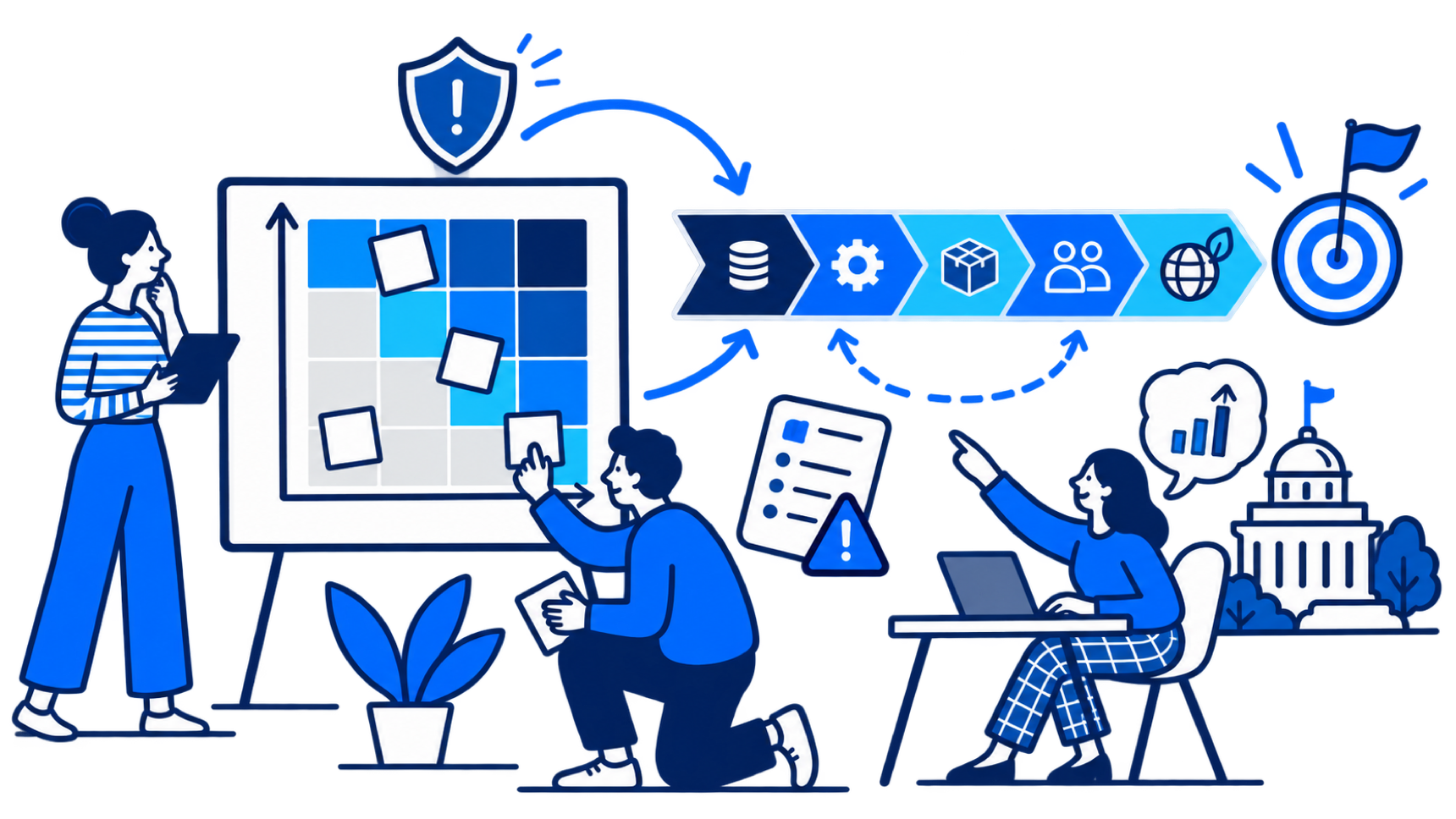
BlueJam’s public sector risk management software connects risk management and internal control with objectives, performance and action. Risks can be linked to objectives where relevant - or managed independently by the people who own them.
Used by organizations with complex needs






Challenges
Risk work that stops in the spreadsheet.
The requirements vary between central government, municipalities and public enterprises. The need is the same: systematic, risk-based and documented management that supports decision-making.
Risk on its own track
The risk register lives outside the management system.
When risk is managed separately, its connection to objectives, impact and decisions disappears. Risk management becomes a periodic exercise rather than part of everyday management.

Hard to prioritize
A five does not always mean the same thing.
Strategic, financial, operational, compliance and other consequences need to be assessed against relevant criteria. Without clear scales, risk appetite and tolerance, prioritization becomes inconsistent.

Actions without accountability
The risk is mapped, but not reduced.
Actions and control activities get decided, but ownership, deadlines and effect are not tracked in the same structure. The next review starts from scratch.

Solution
Risk connected to objectives and decisions.
Manage risk independently or connect it to objectives, indicators, tasks, initiatives, actions and organizational units where there is a relationship.

How it works
Identify. Assess. Treat.
Integrate risk and internal control into the management process, tailored to your organization’s character, risk and materiality.

Identify what matters
Identify uncertainty that could affect strategy, operations or compliance, and connect risks to the areas they may affect.
Assess the consequences
Use relevant categories, consequence scales and tolerance limits to prioritize management attention.

Treat and improve
Assign ownership, track treatments and controls, and review whether risk exposure is actually changing.

Identify what matters
Identify uncertainty that could affect strategy, operations or compliance, and connect risks to the areas they may affect.
Treat and improve
Assign ownership, track treatments and controls, and review whether risk exposure is actually changing.
Assess the consequences
Use relevant categories, consequence scales and tolerance limits to prioritize management attention.
Features
Tools for risk owners and internal control.
Configure the risk model yourself and track risk, actions and control activities in one structure.

The framework you govern by
Support ISO 31000, COSO ERM or your own combination of frameworks.
Flexible risk categories
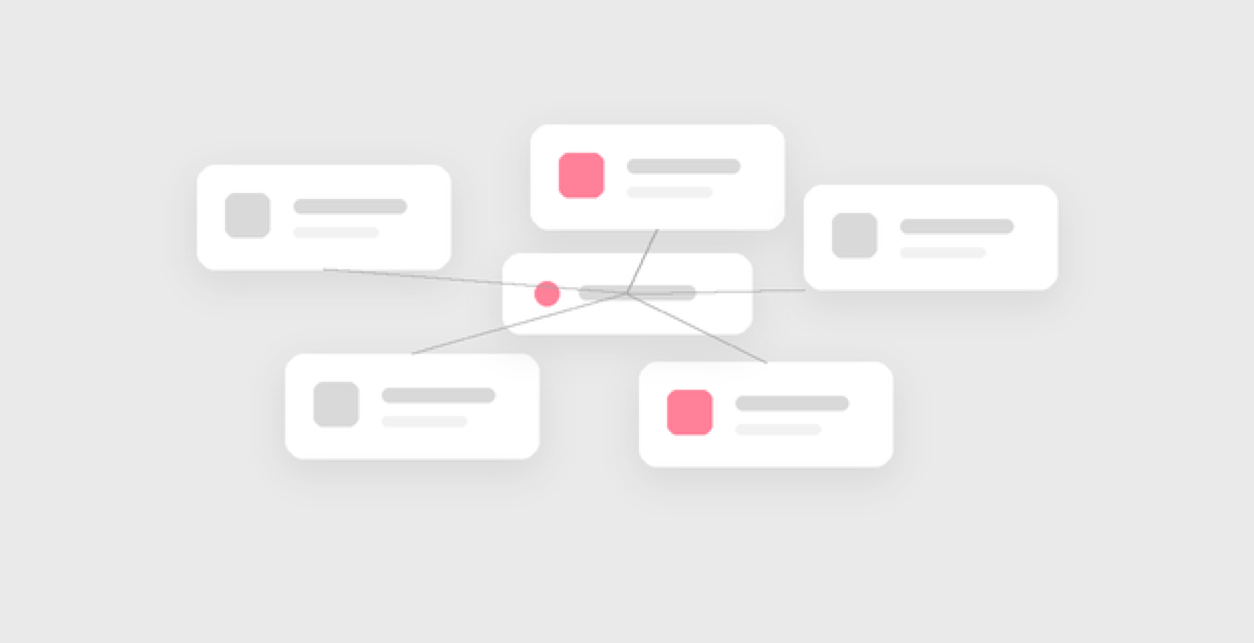
Define categories such as strategic, financial, operational, sustainability, security and compliance to suit the organization.

Tailored consequence scales
Define what levels 1-5 mean for different consequence categories, so assessments rest on explicit criteria.
Standalone and connected risks
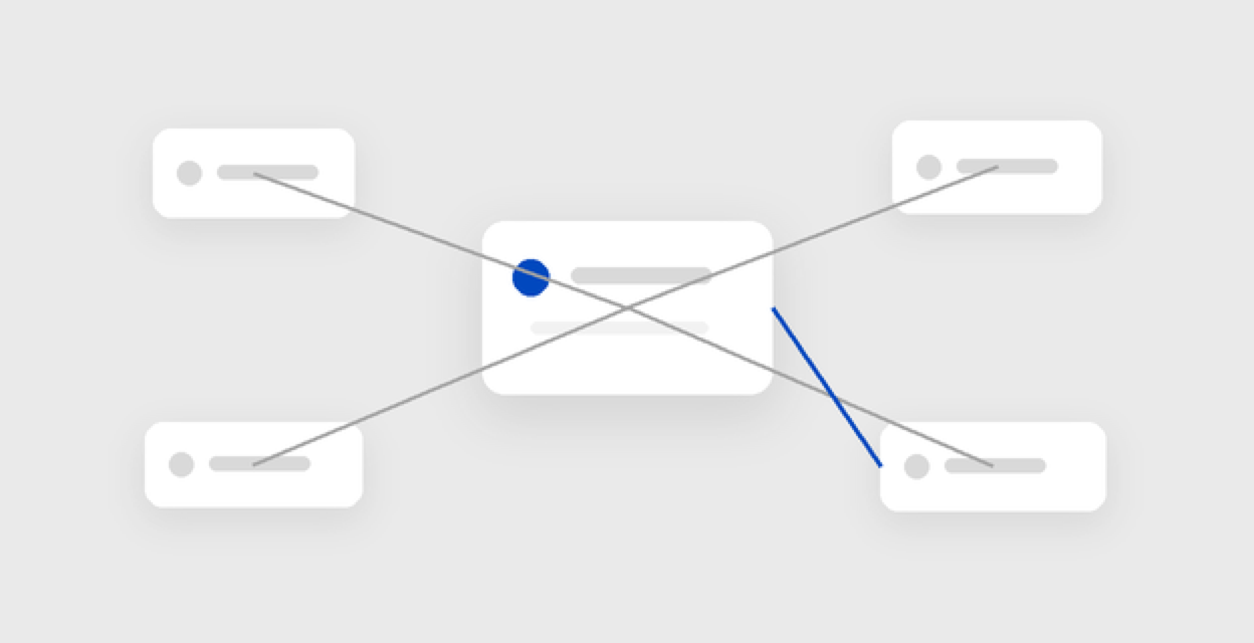
Track risk on its own, or tie it to defined categories or strategy and objectives.

Risk tolerance and acceptance
Define risk appetite and tolerance levels, and make it clear which risks require treatment, escalation or particular management attention.
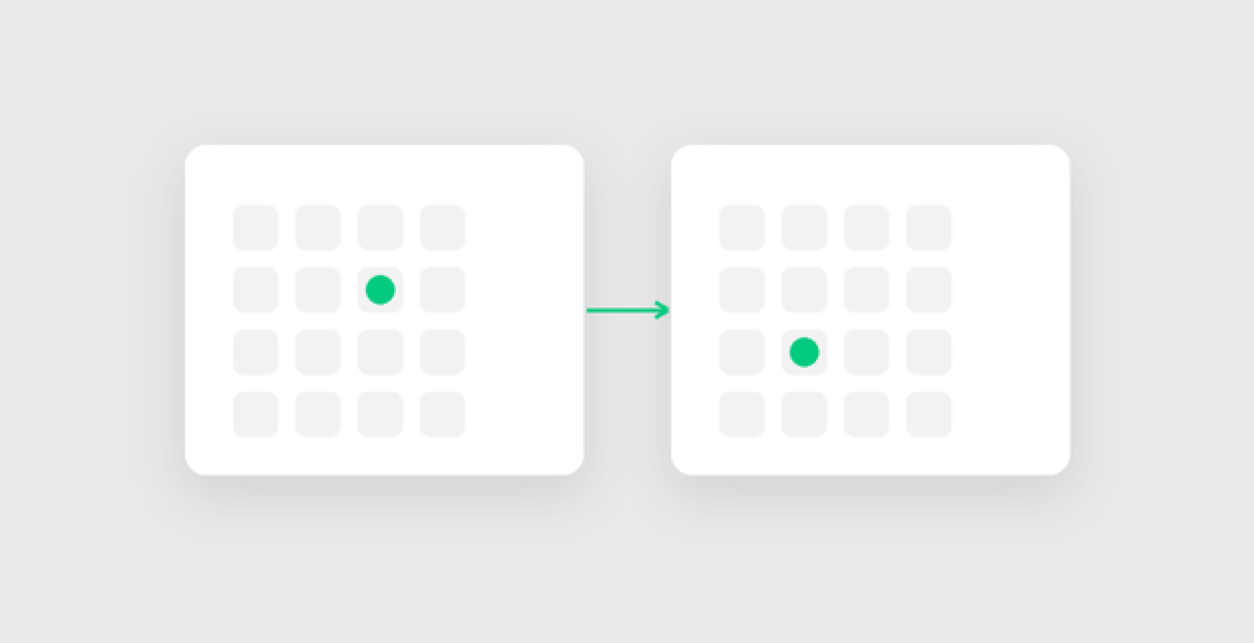
Inherent and residual risk
Track risk before and after actions, and compare it with the level the organization wants to reach.

Actions and control activities
Document accountability, deadlines and status, and assess whether the actions and controls work as intended.
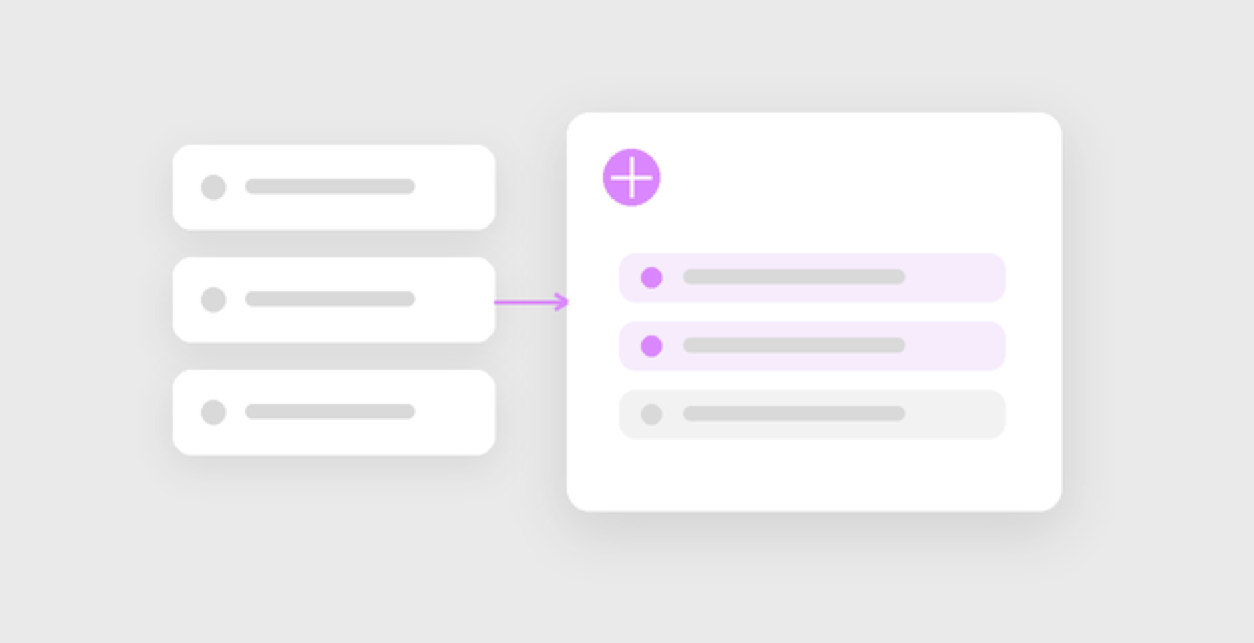
AI support for risk work
Get suggestions for risks and actions based on objectives, management information and your documented context.

Benefits
Risk as a basis for decisions.
Risk in regular management reviews
Review risks alongside objectives and results, not as a separate annual exercise.
Systematic internal control
Document the connection between risk, control activities, actions, accountability and status over time.
Better prioritization
Direct management attention to the areas that are most material and carry the most risk.
Make risk an active part of management.
See how BlueJam adapts to your risk model and brings risk, internal control and ongoing management together.
Platform
Enterprise Strategy
Function & Business Unit Strategy
Multi-Business & Portfolio Strategy
AI for Strategy
Integrations & API
Security & Identity
Pricing
Solutions
Strategy Development
Strategy Execution
Strategy Engagement
Strategy Insights
Strategic Performance Management
Strategic Risk Management
OKR
Balanced Scorecard
Public Sector
BlueJam for the Public Sector
Public Sector Governance
Managing for Results
Strategy Execution
Risk Management & Internal Control
The world’s most fun and engaging strategy platform for all employees.
Follow us
Platform
Enterprise Strategy
Function & Business Unit Strategy
Multi-Business & Portfolio Strategy
AI for Strategy
Integrations & API
Security & Identity
Pricing
Solutions
Strategy Development
Strategy Execution
Strategy Engagement
Strategy Insights
Strategic Performance Management
Strategic Risk Management
OKR
Balanced Scorecard