Development
Playing to Win - A simple way to make strategy about real choices
Bjarne Rugelsjøen
Jun 15, 2026
About the Framework
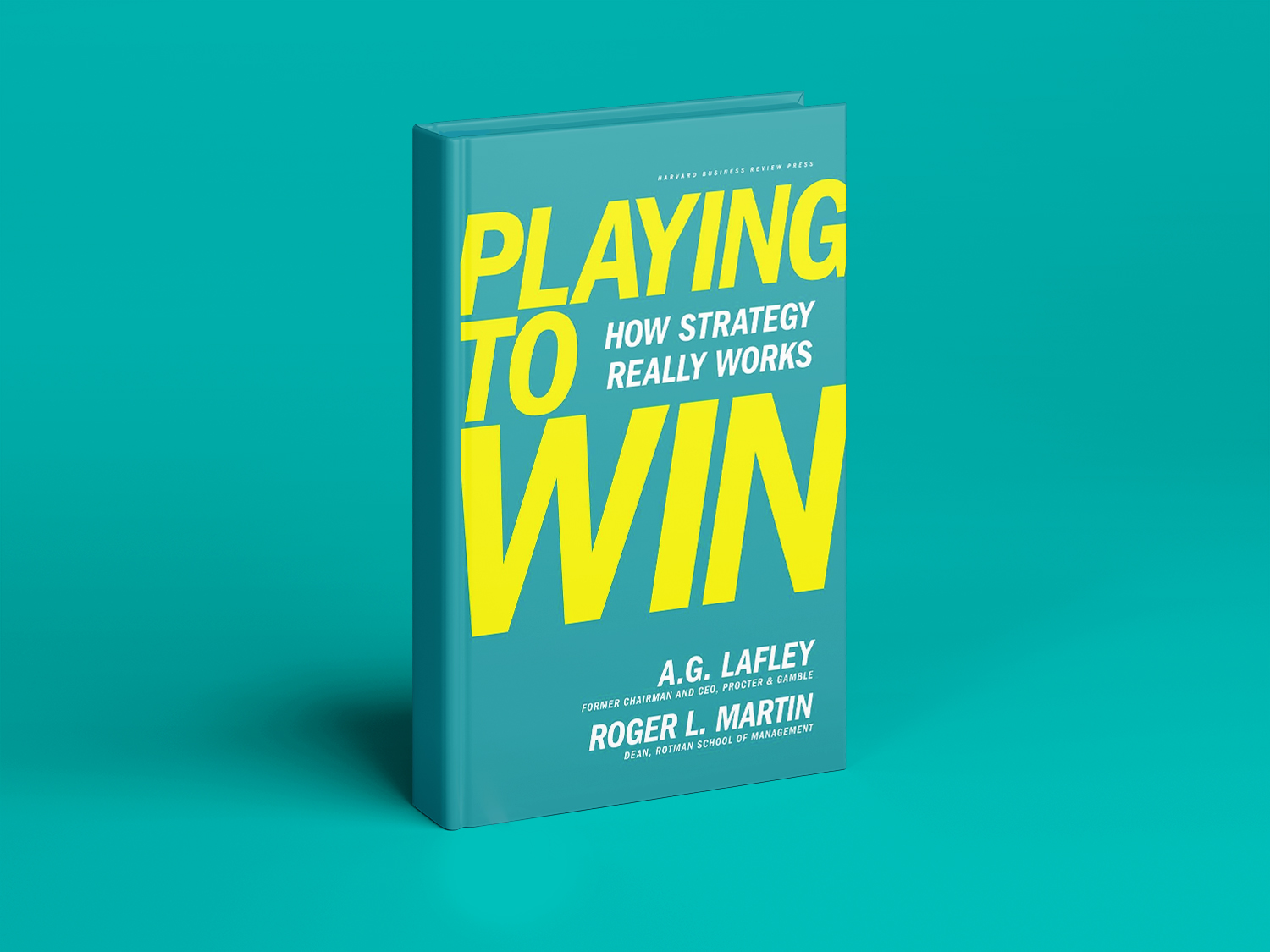
Authors: A.G. Lafley & Roger L. Martin First introduced: Early 2010s, based on their work at Procter & Gamble Playing to Win is a strategy framework built around one simple idea: strategy is about making choices.
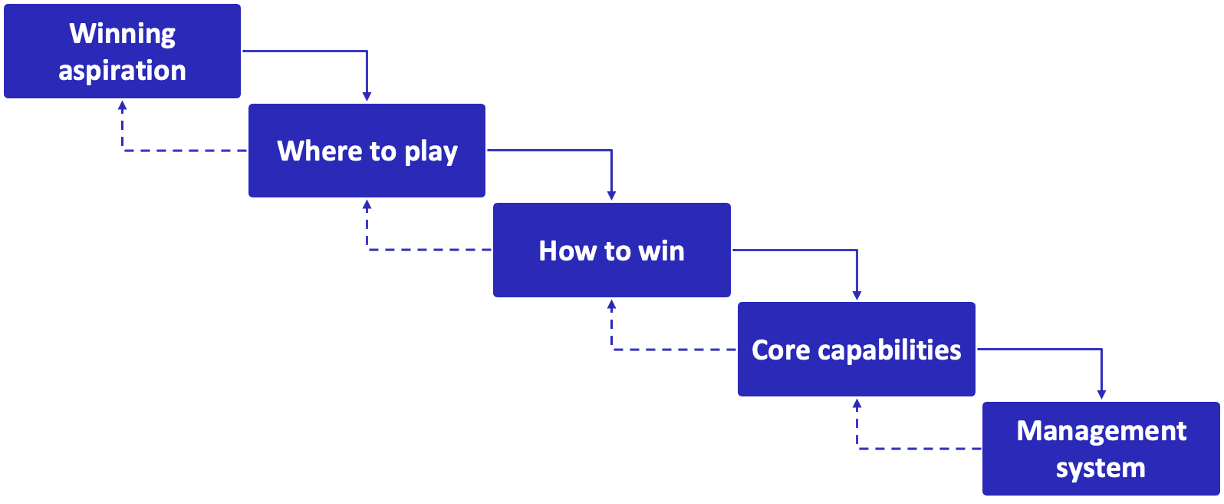
At the heart of the framework is the Strategy Choice Cascade - five connected choices that help leadership teams move from broad ambition to focused execution. The point is not to create a perfect plan, but to make the difficult choices that define where the organization will focus, how it will win, and what it must build to succeed.
The core of strategy is not perfection. It is about making the difficult choices - and standing by them.
Key Elements
Playing to Win is built around five integrated choices:
Winning aspiration Define what winning means for the organization. This is not just about surviving, growing, or improving. It is about describing the ambition that will guide all other choices.
Where to play Choose the arenas where the organization will compete. This may include markets, geographies, customer segments, channels, product categories, needs, or parts of the value chain.
How to win Define the advantage that will allow the organization to win in the chosen arenas. This is the core choice about differentiation, value creation, and competitive advantage.
Core capabilities Identify the few capabilities the organization must be especially good at to deliver on its chosen way to win.
Management systems Put in place the systems, processes, KPIs, meeting rhythms, decision structures, and follow-up mechanisms that make the strategy real and sustainable.
Together, these choices create a clear logic: What do we want to achieve? Where will we focus? How will we win? What must we be great at? And how will we manage and follow up the strategy over time?
The Five Choices and Key Questions
1. Winning Aspiration
What does winning mean? The winning aspiration defines what success looks like. It should create direction, energy, and ambition. A strong winning aspiration is more than a vision statement. It guides the choices that follow.
Questions to ask:
What does winning mean for us?
What position do we want to achieve?
What value do we want to create for customers, owners, employees, and society?
What would success look like if the strategy worked?
What ambition should guide all our other choices?
2. Where to Play
Where will we compete? This is about choosing the arenas where the organization will focus. Strategy requires saying yes to some markets, customers, needs, channels, or geographies - and saying no to others.
Choices may include:
Markets
Geographies
Customer segments
Customer needs
Channels
Product or service categories
Parts of the value chain
Areas to prioritize - and areas to leave behind
Questions to ask:
Which markets should we prioritize?
Which geographies should we focus on?
Which customer segments do we want to win with?
Which customer needs will we solve better than others?
Which channels should we use?
Which product or service areas should we focus on?
Where in the value chain should we play?
What are we actively choosing not to do?
3. How to Win
How will we create a real advantage? This is the most fundamental strategic choice. It defines how the organization will create value in a way that is distinctive, hard to copy, and meaningful to customers.
Where to play and how to win must fit together. It is not enough to choose an attractive market. The organization must also have a clear answer to why it can win there.
Questions to ask:
What will our competitive advantage be?
What advantage do we have over competitors?
What makes us unique or different?
Why should customers choose us?
What is our unique value proposition?
Will we win through lower cost, better customer experience, stronger brand, better technology, stronger distribution, deeper expertise, or something else?
How will we create value in a way competitors will struggle to copy?
How does our advantage fit with the arenas we have chosen?
4. Core Capabilities
What must we be great at? Once the organization has chosen where to play and how to win, it must define the capabilities required to deliver the strategy. This is not a list of everything the organization does well. It is a focused view of the few capabilities that are critical to winning.
Questions to ask:
What must we be especially good at to win?
Which capabilities are critical to our chosen competitive advantage?
What skills, technology, data, brand, distribution, partnerships, or operational strengths must we build?
Which capabilities do we lack today?
Which capabilities should we strengthen, buy, develop, or access through partners?
How do these capabilities reinforce each other?
What should we stop investing in because it does not support the strategy?
5. Management Systems
What must support, measure, and sustain execution? The final choice is about the systems that make the strategy real. Even strong strategic choices can disappear into presentations unless they are supported by goals, KPIs, initiatives, ownership, routines, decision processes, and follow-up.
Questions to ask:
Which management systems must support the strategy?
Which KPIs and performance measures will show whether we are succeeding?
How will we follow up the strategy in leadership meetings, team meetings, and reporting?
Which decision processes must change?
How will goals, initiatives, owners, and actions be connected to the strategy?
How will we ensure learning and adjustment over time?
Which systems, processes, and meeting arenas are needed to keep the strategy alive?
How do we make strategy part of everyday work, not just an annual exercise?
Why We Like It at BlueJam
Playing to Win is powerful because it forces clarity. It helps leadership teams move from broad ambitions and long lists of priorities to a small set of connected choices.
The framework also makes strategy easier to communicate. Employees can understand what the organization is trying to win, where it will focus, how it will create advantage, and what capabilities and systems are required to succeed.
Most importantly, it connects strategy development with execution. The five choices are not isolated statements. They form a logic that can be translated into objectives, KPIs, initiatives, actions, ownership, and follow-up.
Where It Can Fall Short
Teams often stop at “where to play” and “how to win” without making the choices actionable.
The framework can become too conceptual if it is not linked to goals, KPIs, initiatives, and owners.
It can feel static if treated as a one-time strategy workshop rather than a living set of choices.
It requires real trade-offs. Without the courage to say no, the choices become too broad.
Management systems are often underdeveloped, even though they are critical to execution.
The choices may not reach employees unless they are translated into what they mean for teams and everyday work.
BlueJam’s Take
BlueJam turns Playing to Win into a living strategy system.
The five choices can be translated into visible strategic direction, objectives, KPIs, initiatives, actions, responsibilities, and progress updates. Leaders can define the choices. Teams can connect their work to those choices. Everyone can see how their goals and initiatives contribute to where the organization plays and how it intends to win.
This is where Playing to Win becomes more than a strategy framework. It becomes a practical operating model for strategy execution.
Instead of living in a slide deck, the strategy becomes visible, measurable, and continuously updated. BlueJam helps organizations keep their strategic choices alive - through engagement, ownership, follow-up, insight, and learning over time.
Source: A.G. Lafley and Roger L. Martin, Playing to Win: How Strategy Really Works.

Bjarne Rugelsjøen
CEO of BlueJam
Bjarne is a strategy expert with 25+ years of experience helping organizations turn strategy into action. He has led 600+ projects across 200 organizations worldwide. He is passionate about strategy in general, and about engaging people in strategy in particular.
Related Articles

Building True Strategic Resilience
Strategic resilience is no longer a luxury, but a necessity. To succeed, your organization must view strategy as a continuous process, not just an annual executive exercise, and adopt tools that enable real flexibility and collaboration across the entire organization.
Read more

Strategy Execution Frameworks, Simplified: The Three Core Ingredients
We've cut through the jargon of every strategy framework to find a simple, powerful core. This article reveals the three non-negotiable elements that drive all successful execution, regardless of the methodology.
Read more
Managing Alliances with the Balanced Scorecard
Fifty percent of corporate alliances fail. But you can increase your partnership’s odds of success by applying these techniques - by Robert S. Kaplan, David P. Norton, and Bjarne Rugelsjoen
Read more
Experience the world’s most fun and engaging strategy platform for all employees.
A big claim? Try it yourself and see what you think.
The world’s most fun and engaging strategy platform for all employees.
Follow us